Finger sequences
Pressing fingers one after another in a set order, to track how speed and accuracy improve as a sequence is learned.
An ergonomic, plug-and-play device for measuring the force of every finger on both hands.
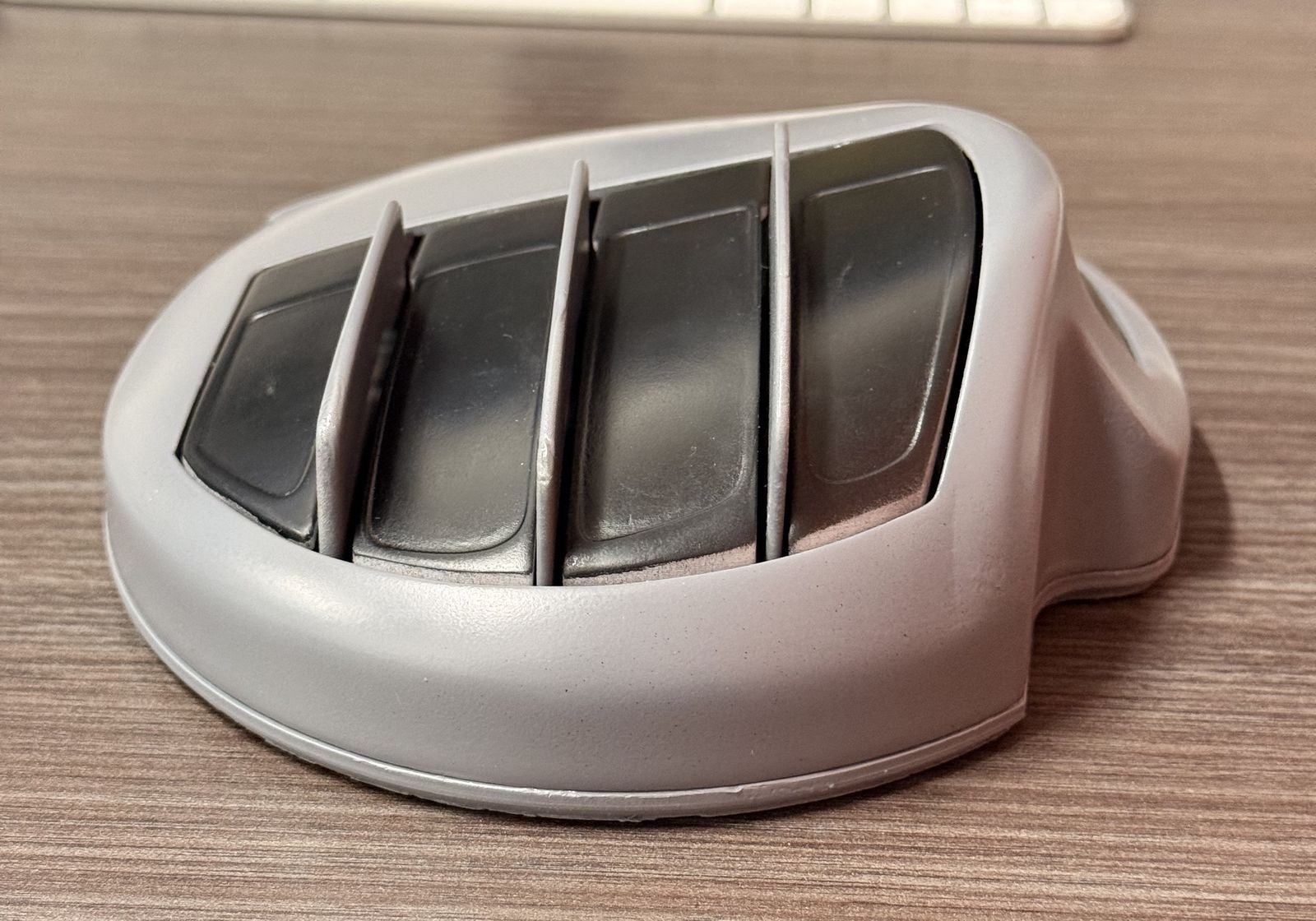
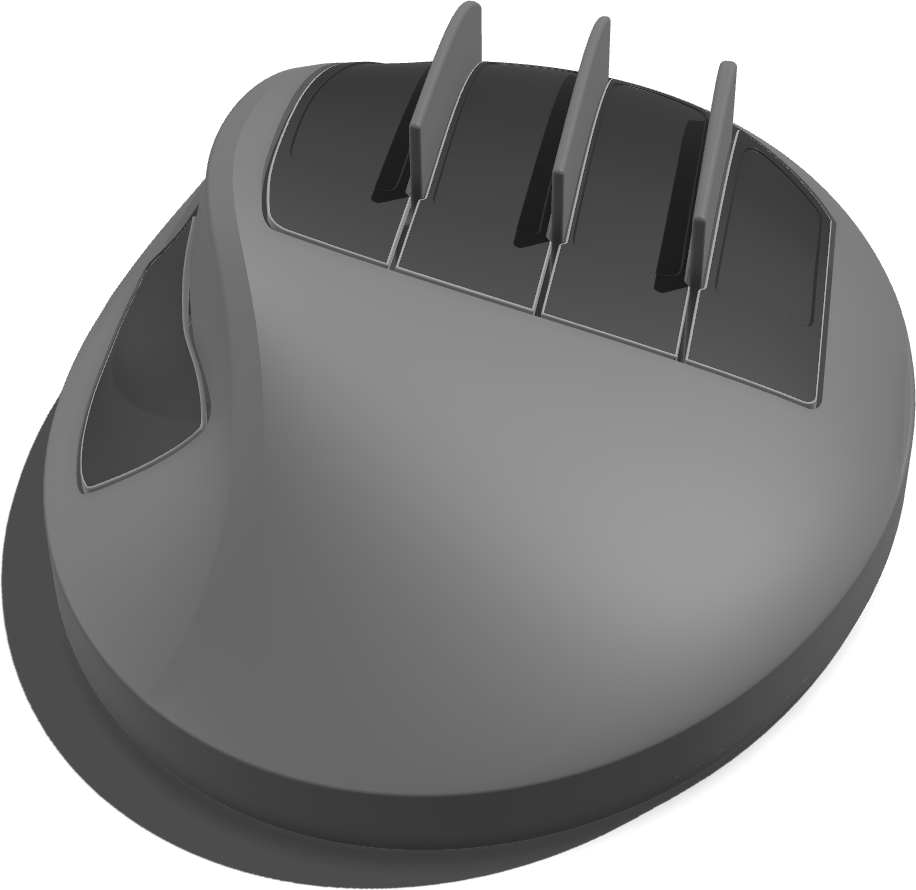
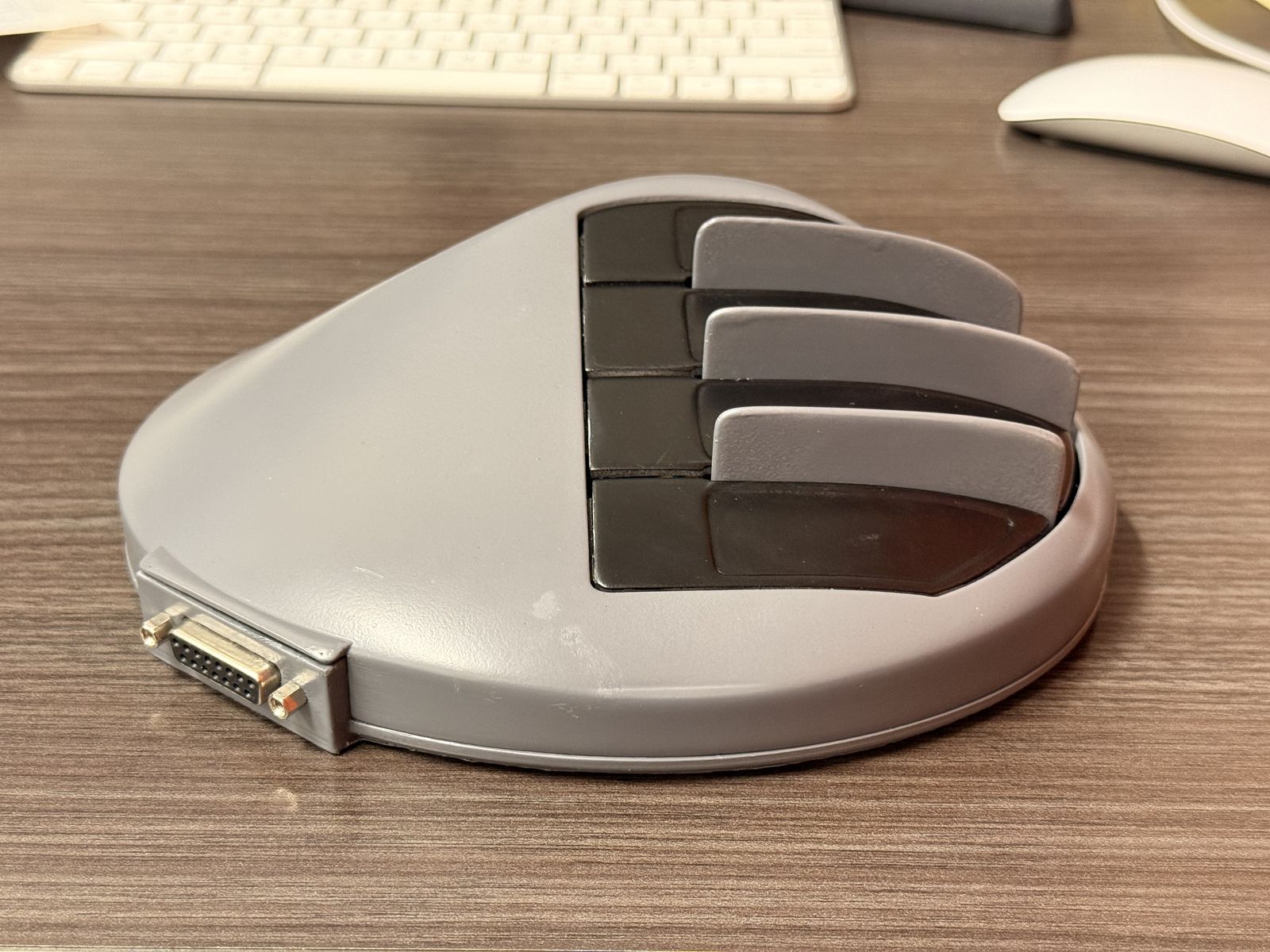
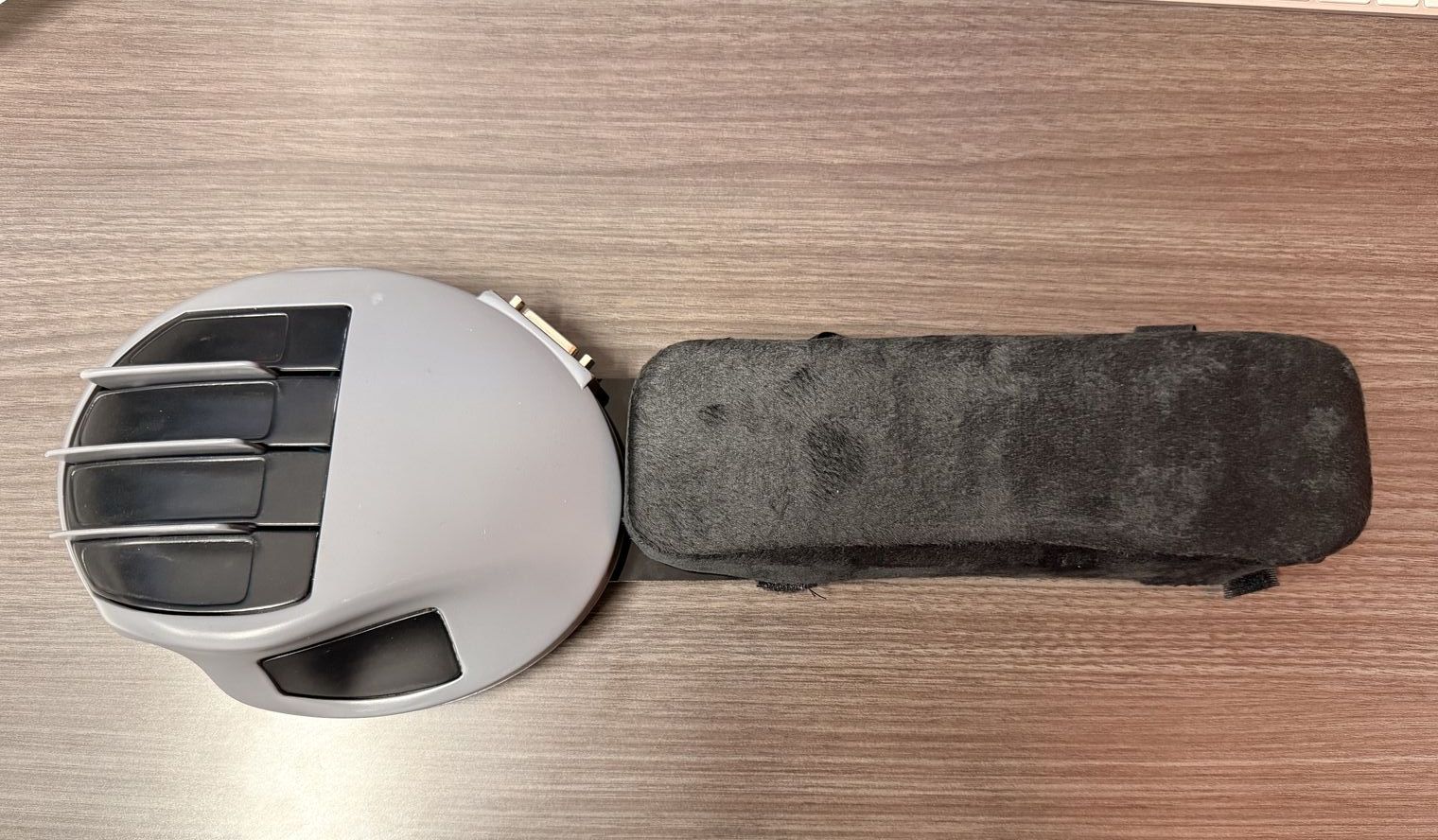
ErgoDigit Flex lets researchers record how hard each of the ten fingers presses, millisecond by millisecond, while participants rest their hands comfortably on a contoured support. It was designed and built in the Diedrichsen Lab at Western University to study how we learn and control skilled hand movements.
Drag to rotate · scroll or pinch to zoom Interactive model coming soon
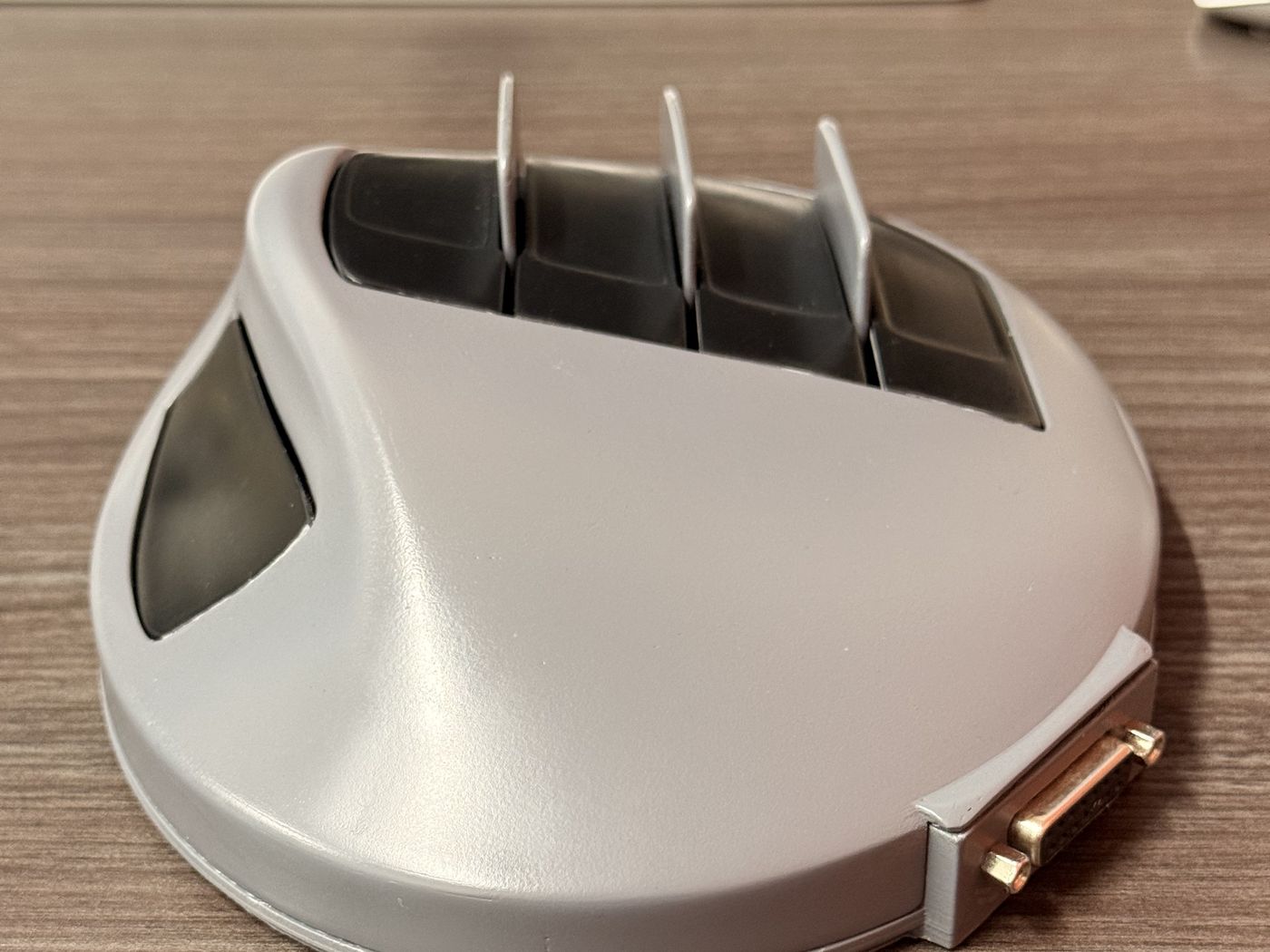
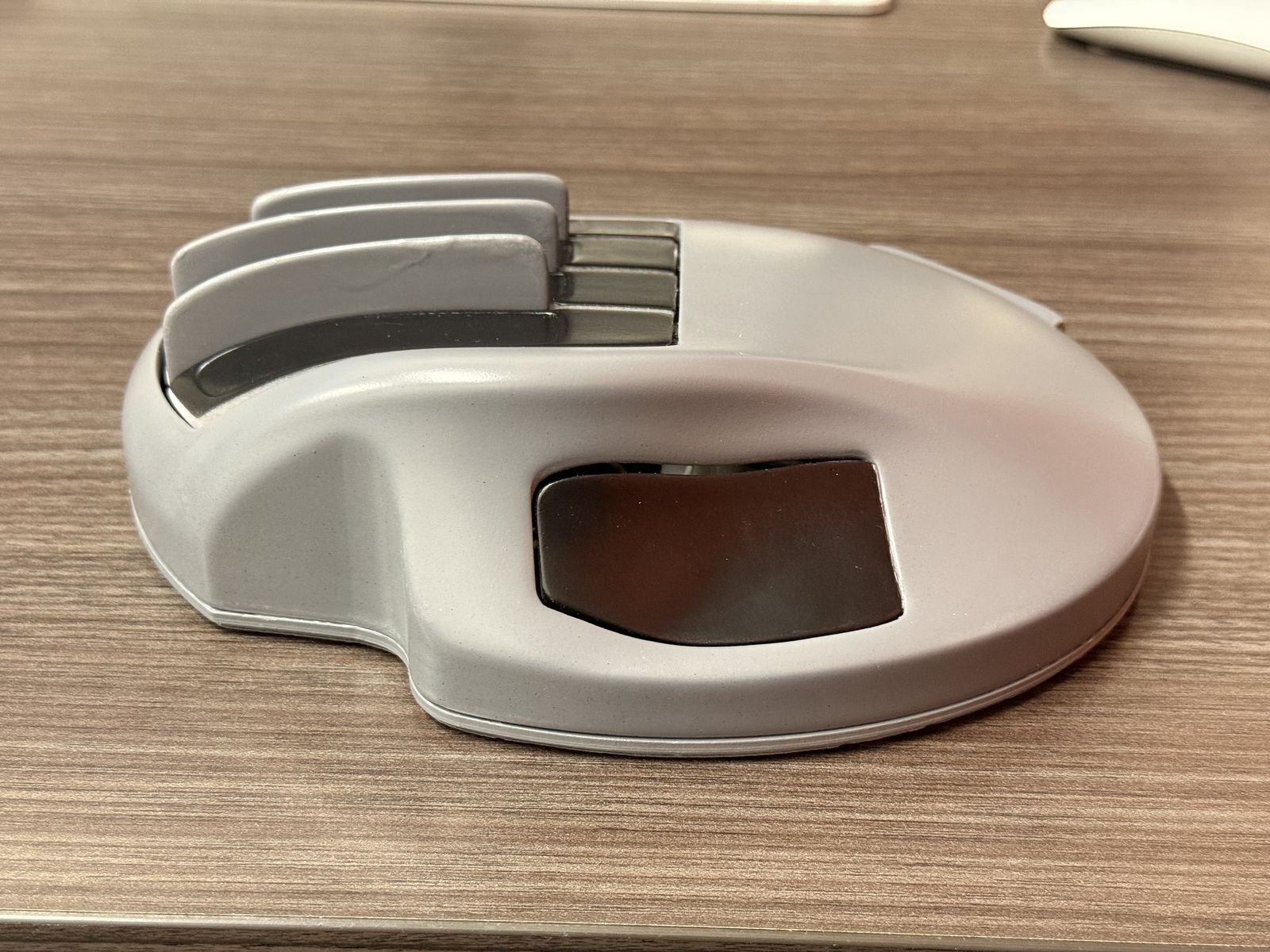
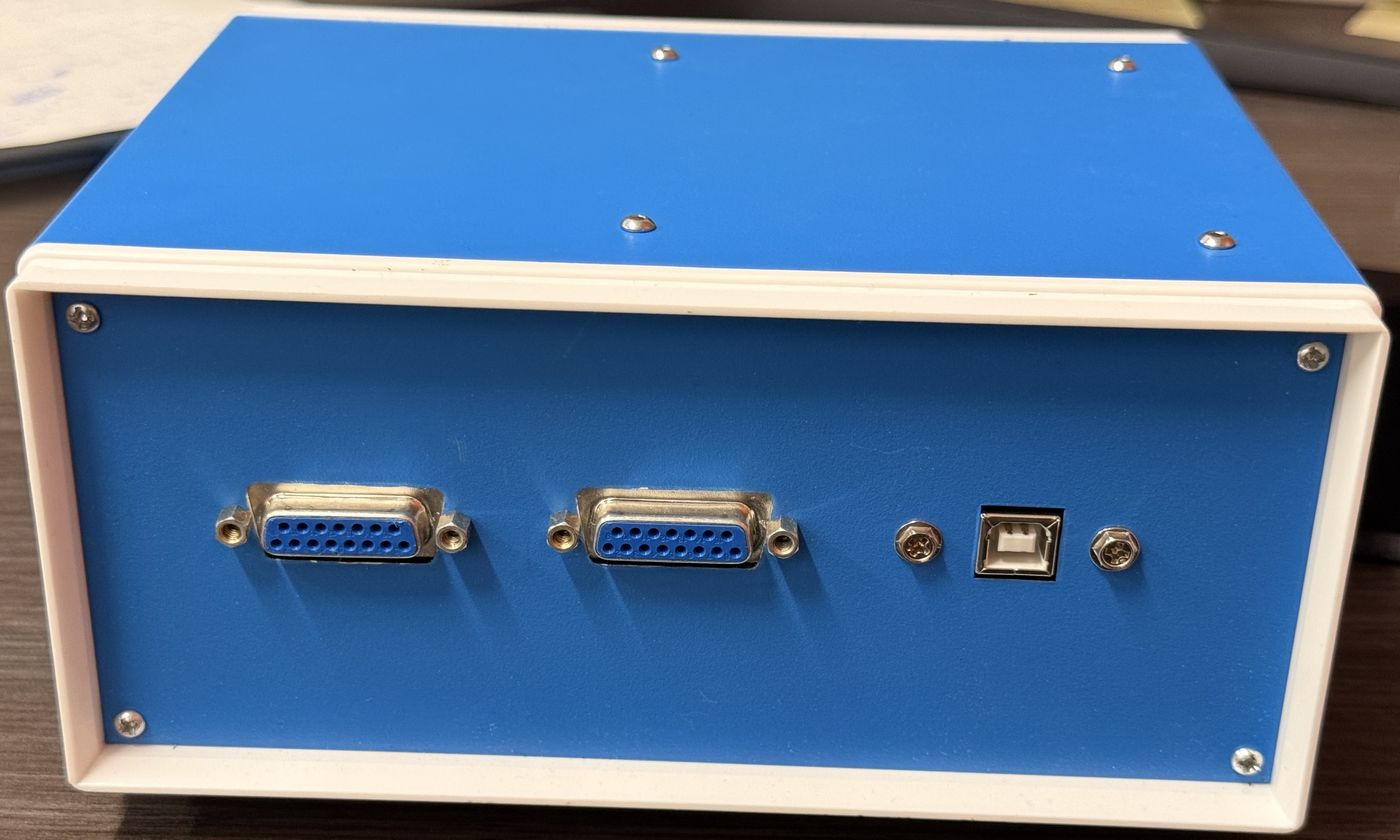
The system has two hand units, one for each hand, and a compact amplifier unit that connects them to an ordinary laptop or desktop over a single USB cable. Each hand unit is shaped so the hand rests on it naturally, with a key beneath every fingertip.
The measurement is isometric: the keys barely move, so what is recorded is pure force rather than movement. That makes it well suited to studying fine control of individual fingers, and how that control changes with practice.
Experiments are written in PsychoPy, the free, open-source toolkit many labs already use, and run on Windows, macOS or Linux. The whole kit is light enough to carry, so it works just as well in a fixed lab setup as it does at a bedside.
Pressing fingers one after another in a set order, to track how speed and accuracy improve as a sequence is learned.
Pressing several fingers at once in a specific pattern, much like learning a new chord on the guitar.
Pressing with one finger while keeping the others still, a common measure in research on dexterity and motor recovery.
All ten fingers are recorded at the same time, so tasks can involve both hands and how they work together.
If you'd like to learn more, or to purchase or build one for your lab, email me at aghavamp@uwo.ca.